Campus Collect
Campus Collect
Designing a Student Marketplace for Seamless Buying & Selling
Designing a Student Marketplace for Seamless Buying & Selling
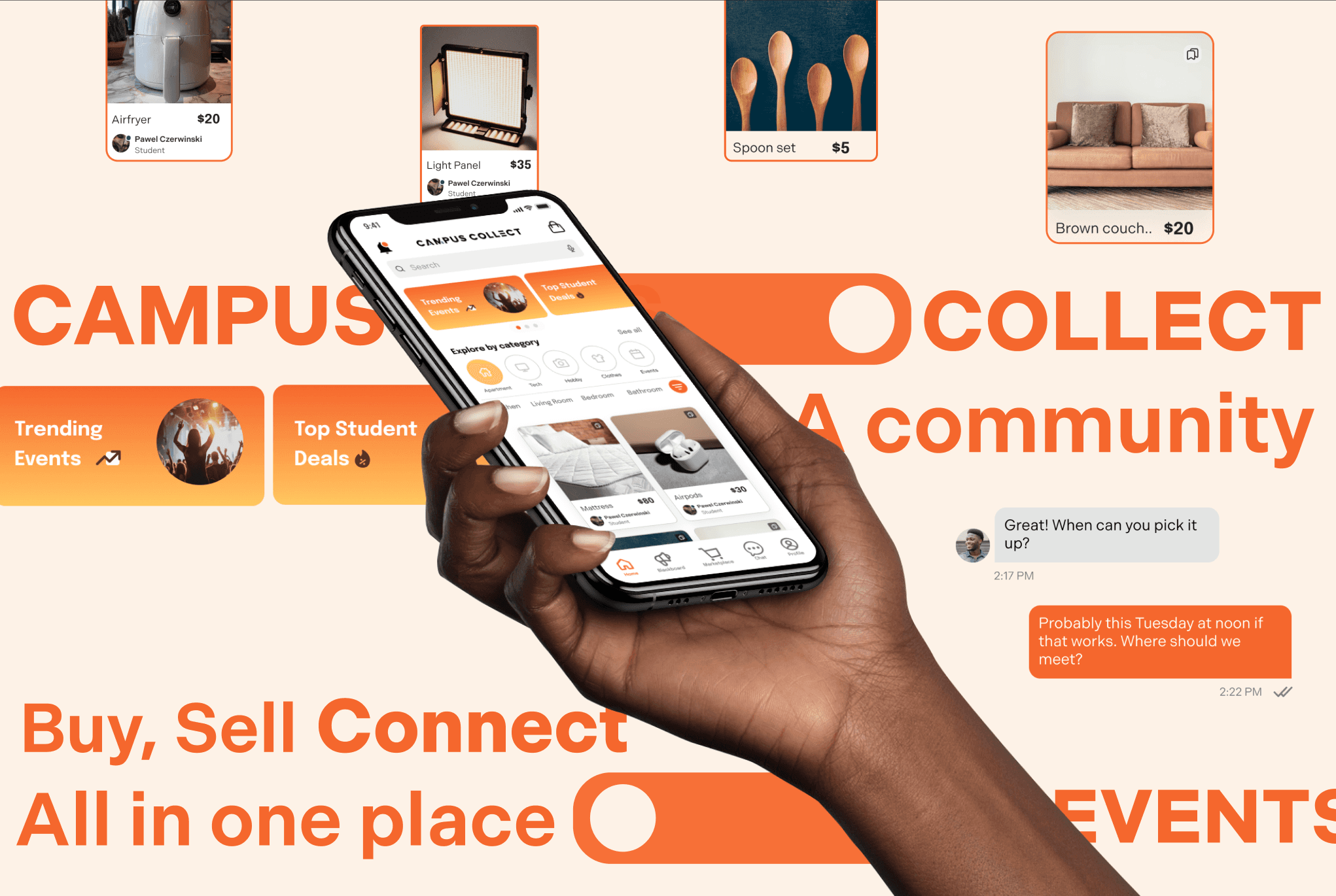
Campus Collect was designed to streamline student transactions—whether it’s finding a side gig, scoring a deal on secondhand textbooks, or selling a dorm couch before moving out. More than just a marketplace, it’s a student ecosystem that combines a job board, marketplace, event tracking, messaging, and content discovery into one intuitive experience.
Campus Collect was designed to streamline student transactions—whether it’s finding a side gig, scoring a deal on secondhand textbooks, or selling a dorm couch before moving out. More than just a marketplace, it’s a student ecosystem that combines a job board, marketplace, event tracking, messaging, and content discovery into one intuitive experience.
Company
Company
Campus Collect
Campus Collect
Services
Services
Web Design
UI & UX Design
Web Design
UI & UX Design
Industries
Industries
E-commerce
E-commerce
Duration
Duration
Nov 2024- May 2025
Nov 2024- May 2025
OVERVIEW
OVERVIEW
What does it look like when students run their entire economy across apps that were never built for them?
What does it look like when students run their entire economy across apps that were never built for them?
What does it look like when students run their entire economy across apps that were never built for them?
Our goal was to design a single platform that made buying, selling, and connecting on campus feel as easy as scrolling.
Our goal was to design a single platform that made buying, selling, and connecting on campus feel as easy as scrolling.
Research & Discovery
Going deep on how students actually buy, sell, and hustle between classes.
Research & Discovery
Going deep on how students actually buy, sell, and hustle between classes.
Research & Discovery
Going deep on how students actually buy, sell, and hustle between classes.
Systems Design
Building one experience that replaces the five fragmented ones students cobble together today.
Systems Design
Building one experience that replaces the five fragmented ones students cobble together today.
Systems Design
Building one experience that replaces the five fragmented ones students cobble together today.
Iteration & Testing
Continuously refining through beta feedback and real behavioral patterns.
Iteration & Testing
Continuously refining through beta feedback and real behavioral patterns.
Iteration & Testing
Continuously refining through beta feedback and real behavioral patterns.
PROBLEM
PROBLEM
Students run their campus economy across five apps that don't talk to each other
Students run their campus economy across five apps that don't talk to each other
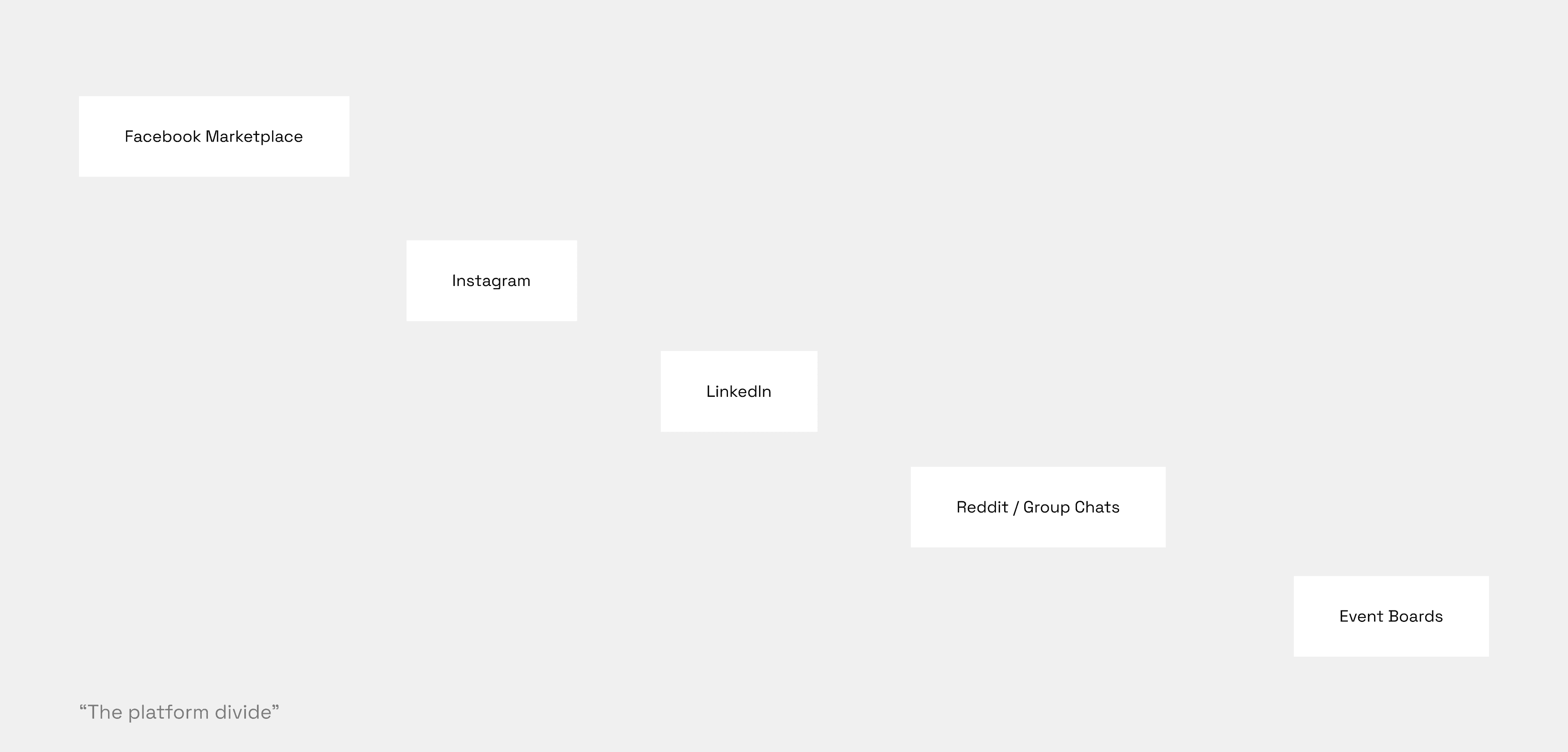
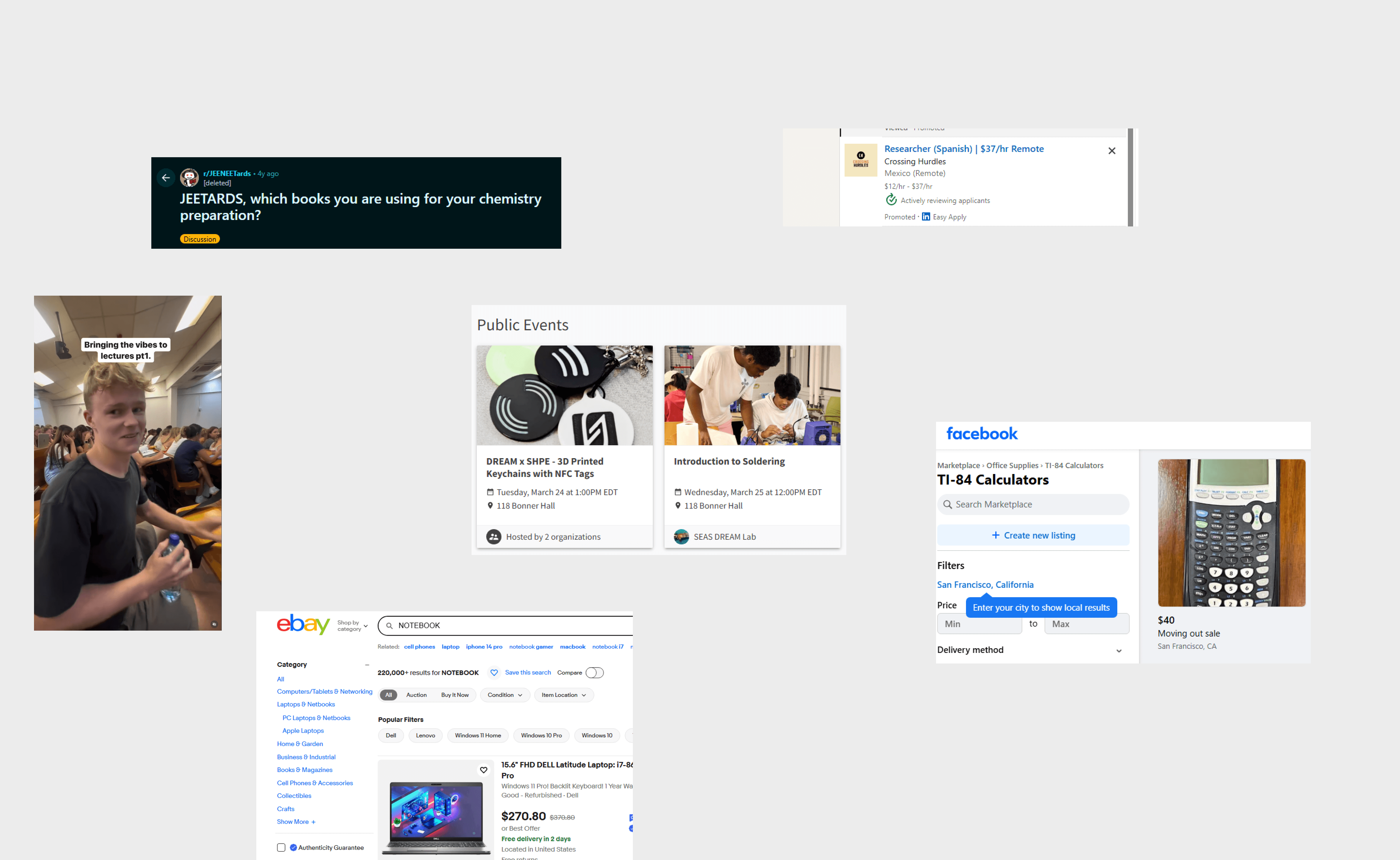
Facebook Marketplace for furniture. LinkedIn for jobs. Group chats for textbooks. Bulletin boards for events. Instagram for side gigs. Every transaction requires context-switching. Every connection requires rebuilding trust from zero. The tools exist — but students are doing the integration work themselves.
Facebook Marketplace for furniture. LinkedIn for jobs. Group chats for textbooks. Bulletin boards for events. Instagram for side gigs. Every transaction requires context-switching. Every connection requires rebuilding trust from zero. The tools exist — but students are doing the integration work themselves.
OPPORTUNITY
OPPORTUNITY
A single platform built around how students actually move through campus.
A single platform built around how students actually move through campus.
A single platform built around how students actually move through campus.
Fragmented tools
5+ platforms for tasks that belong in one place.
Fragmented tools
5+ platforms for tasks that belong in one place.
Fragmented tools
5+ platforms for tasks that belong in one place.
Zero trust layer
No shared reputation system across campus transactions.
Zero trust layer
No shared reputation system across campus transactions.
Zero trust layer
No shared reputation system across campus transactions.
Discovery gap
Students miss deals, gigs, and events because there's no single place to look.
Discovery gap
Students miss deals, gigs, and events because there's no single place to look.
Discovery gap
Students miss deals, gigs, and events because there's no single place to look.
SOLUTION
SOLUTION
A single platform built around how students actually move through campus.
A single platform built around how students actually move through campus.
A single platform built around how students actually move through campus.
A student marketplace combining listings, a job board, event discovery, peer messaging, and short-form promotional content in one experience.
A student marketplace combining listings, a job board, event discovery, peer messaging, and short-form promotional content in one experience.
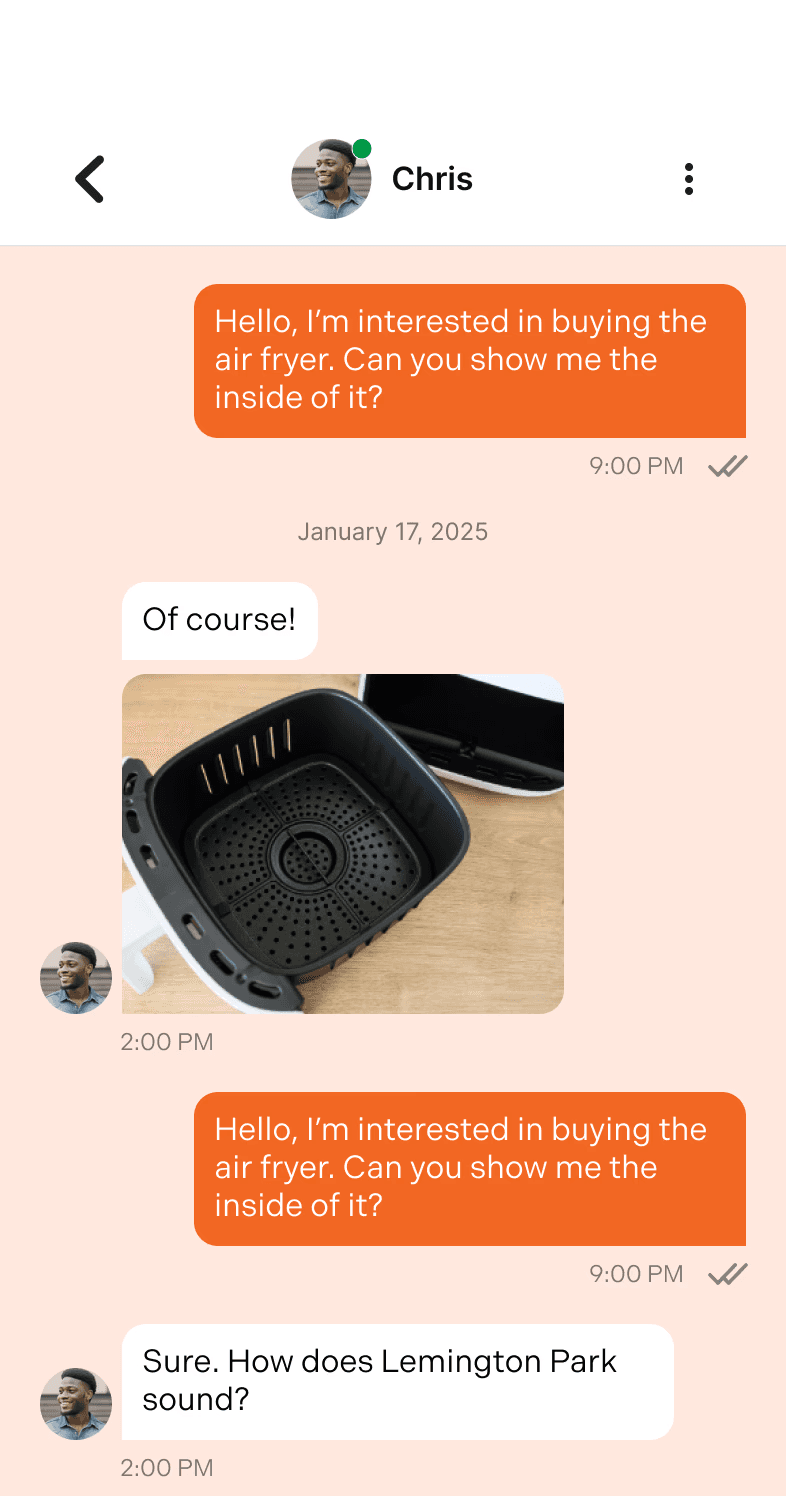
...where buying, selling, and connecting happen without switching apps.
...where buying, selling, and connecting happen without switching apps.
...where buying, selling, and connecting happen without switching apps.
Interest tags, seller reviews, and personalized discovery surface the right content for each student automatically.
Interest tags, seller reviews, and personalized discovery surface the right content for each student automatically.
MAIN FLOWS
MAIN FLOWS
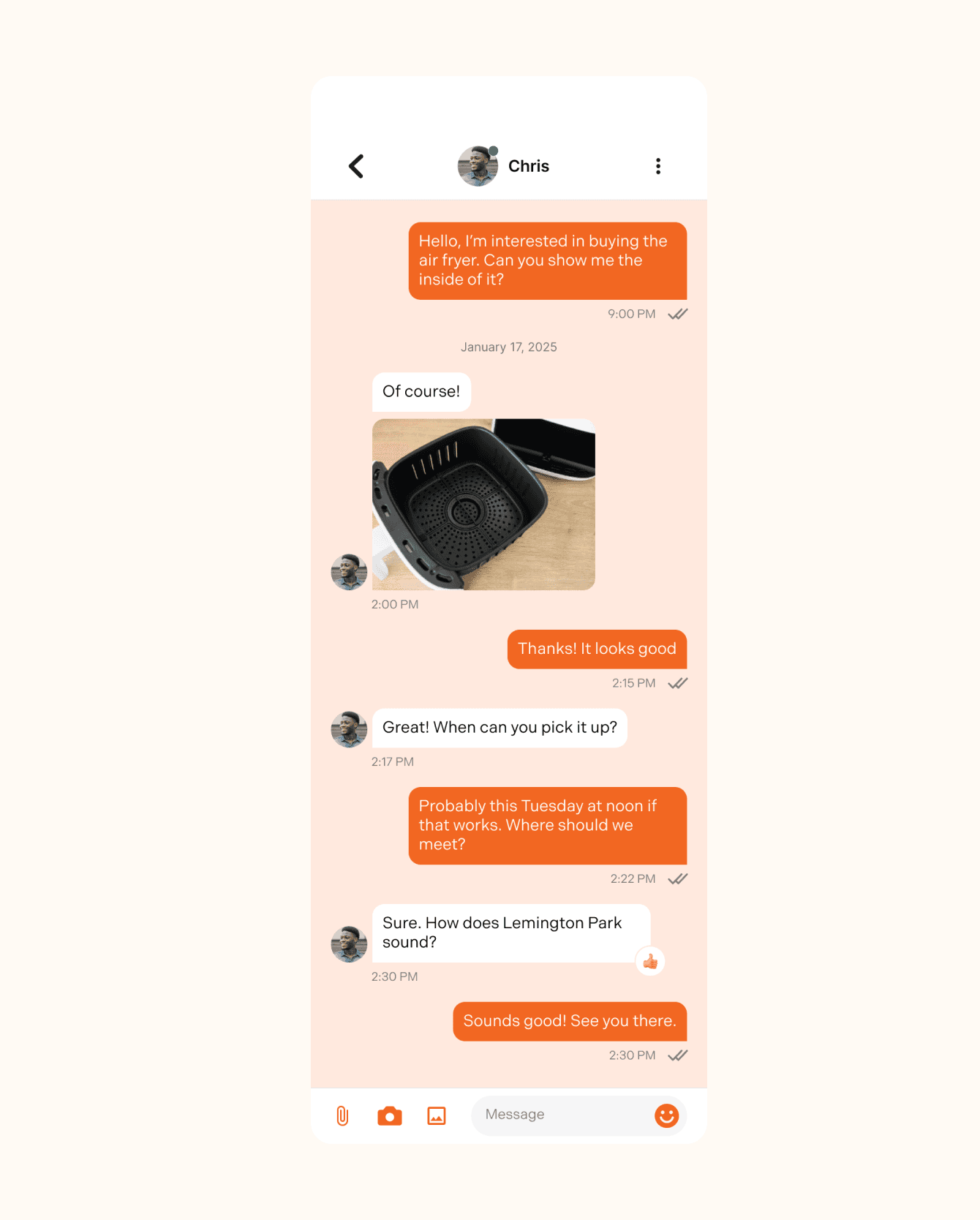
Personalized homepage
Personalized homepage
Personalized homepage
Surface newly listed items, trending products, and student discounts the moment you open the app.
Surface newly listed items, trending products, and student discounts the moment you open the app.
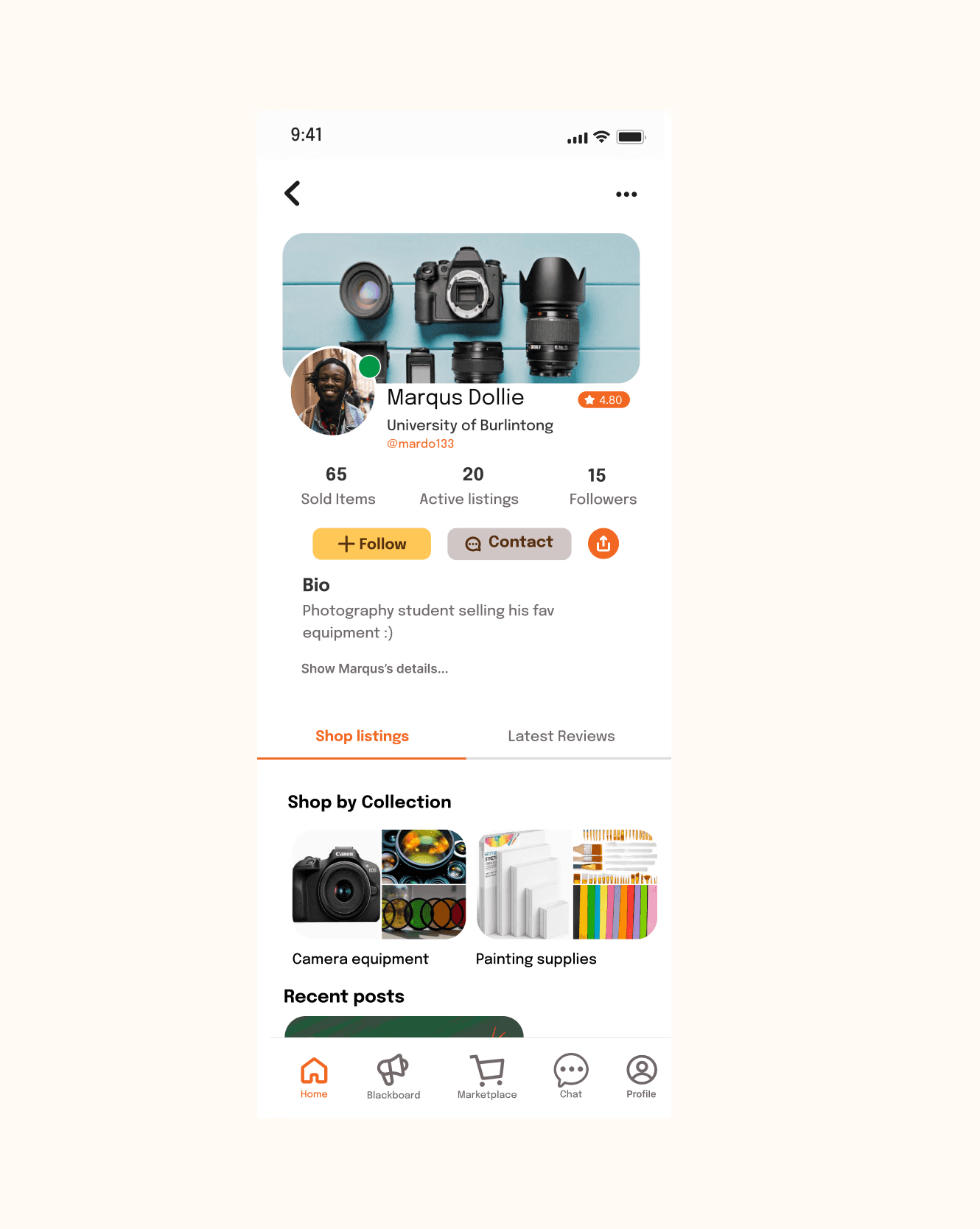
Engaging Profiles
Engaging Profiles
Engaging Profiles
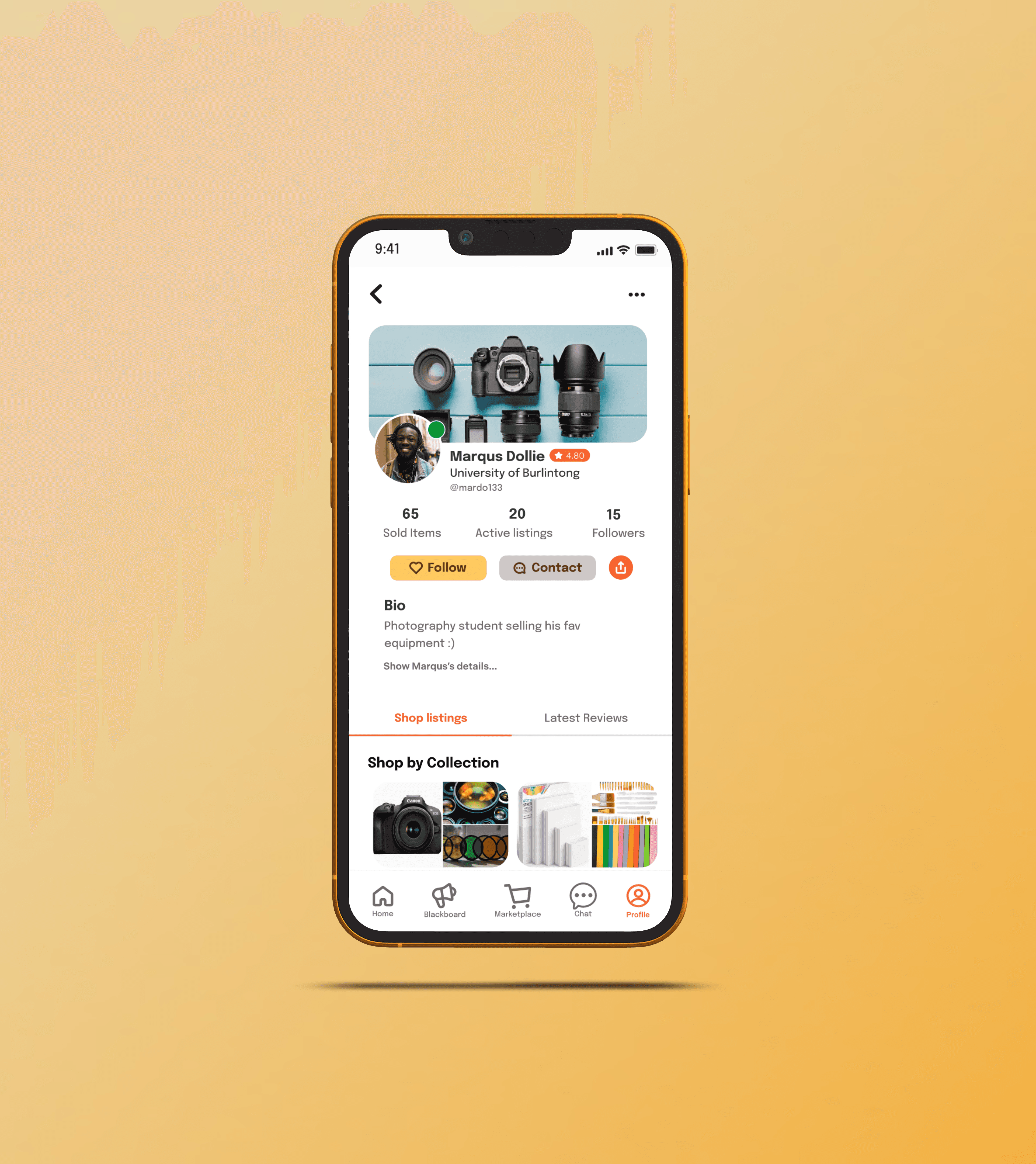
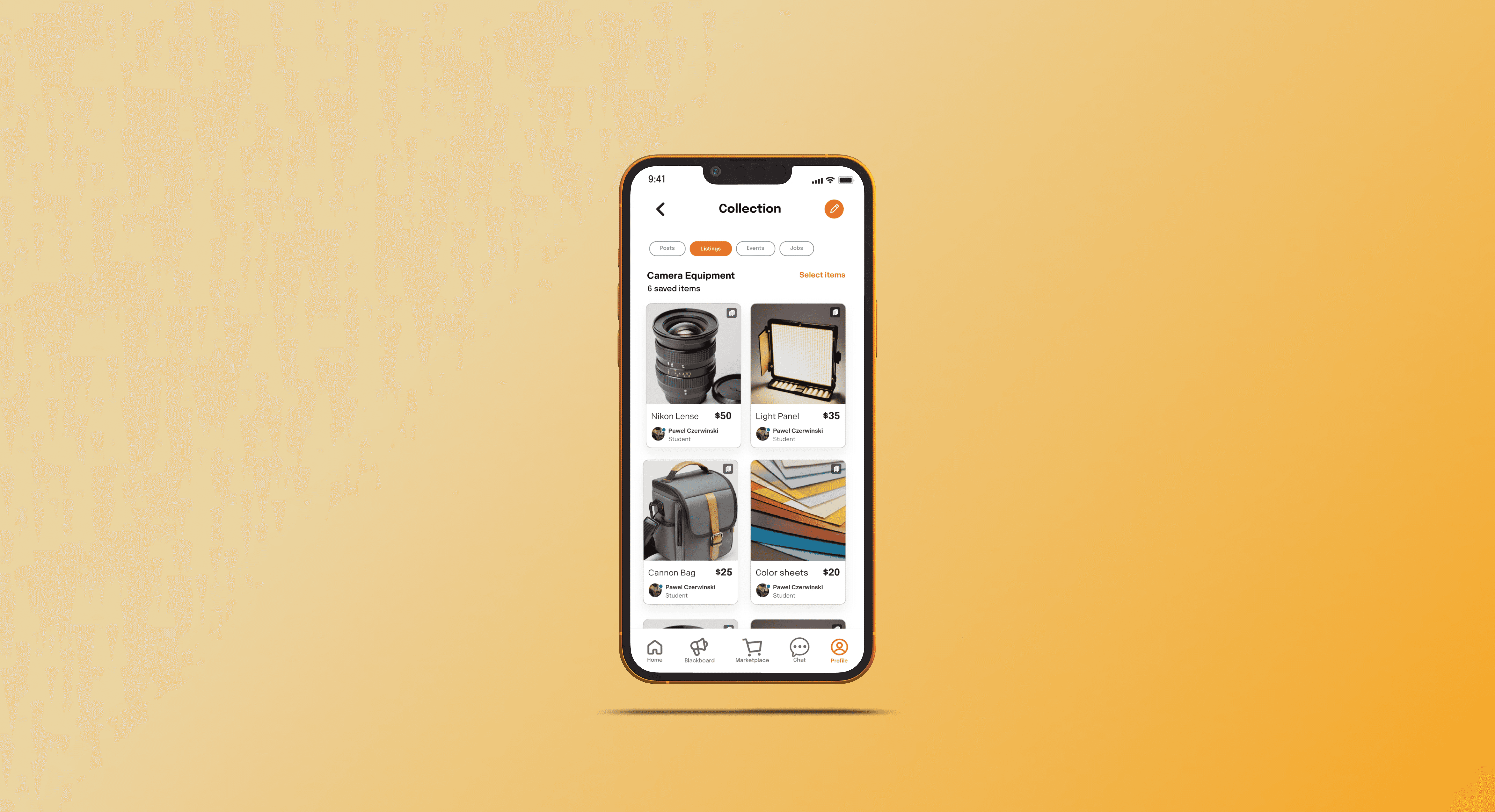
Students promote listings and services in their profiles with collections and short-form content — like stories, but for buying and selling.
Students promote listings and services in their profiles with collections and short-form content — like stories, but for buying and selling.
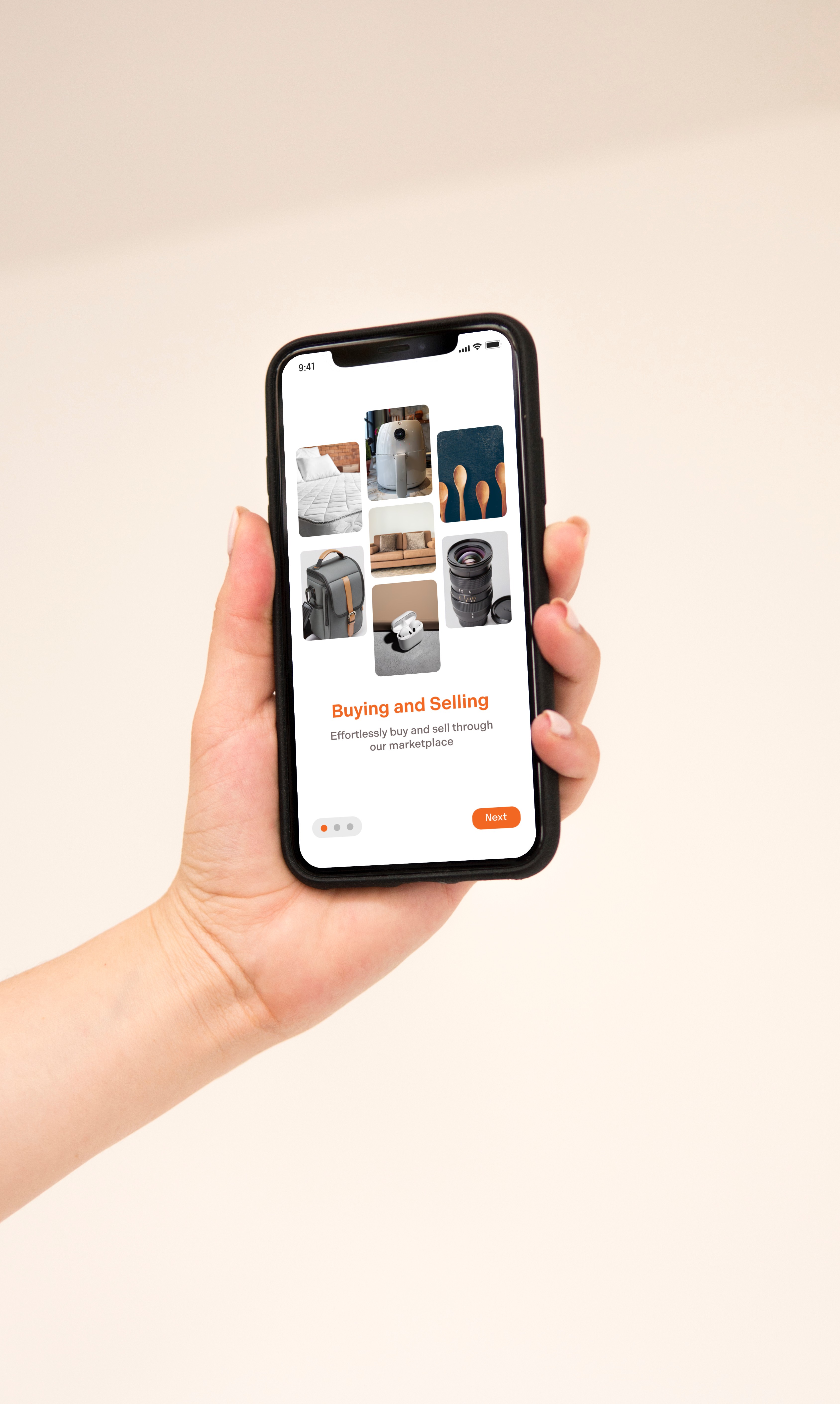
Onboarding Flow
Onboarding Flow
Re-designed to get students browsing before they've finished setting up.
Re-designed to get students browsing before they've finished setting up.
The first version of onboarding had poor UX due to its 13-step process, with each screen asking just one question. This unnecessary fragmentation increased cognitive load, forcing users to process and respond to information one step at a time instead of in a more natural flow. The excessive clicks made the process feel tedious and frustrating
The first version of onboarding had poor UX due to its 13-step process, with each screen asking just one question. This unnecessary fragmentation increased cognitive load, forcing users to process and respond to information one step at a time instead of in a more natural flow. The excessive clicks made the process feel tedious and frustrating
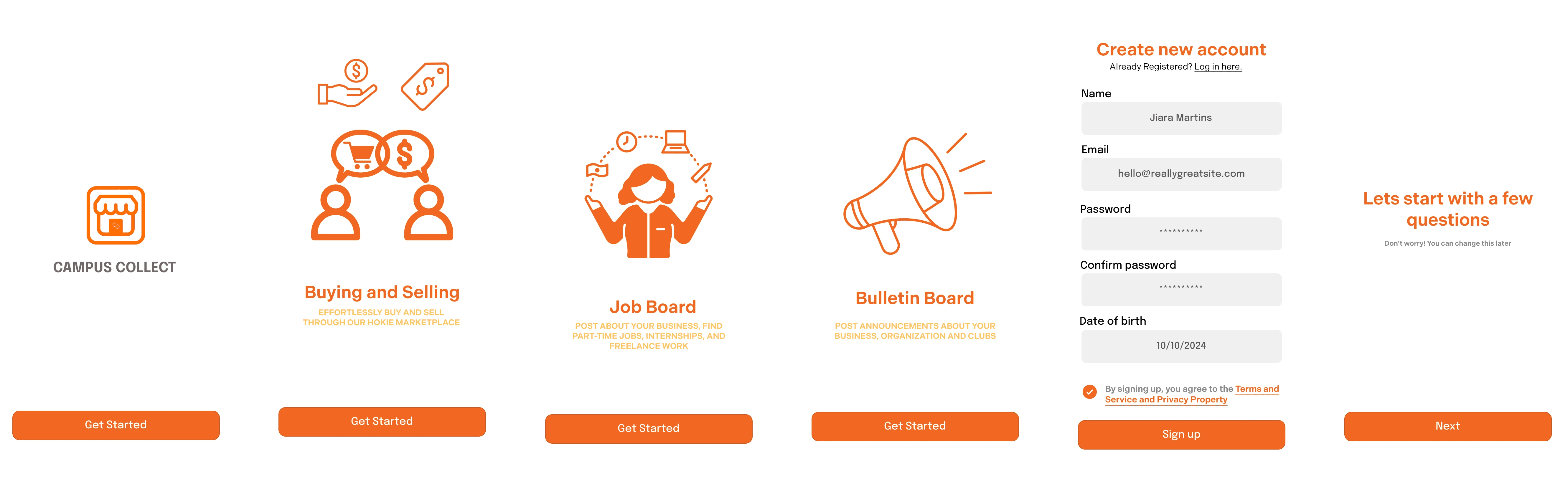
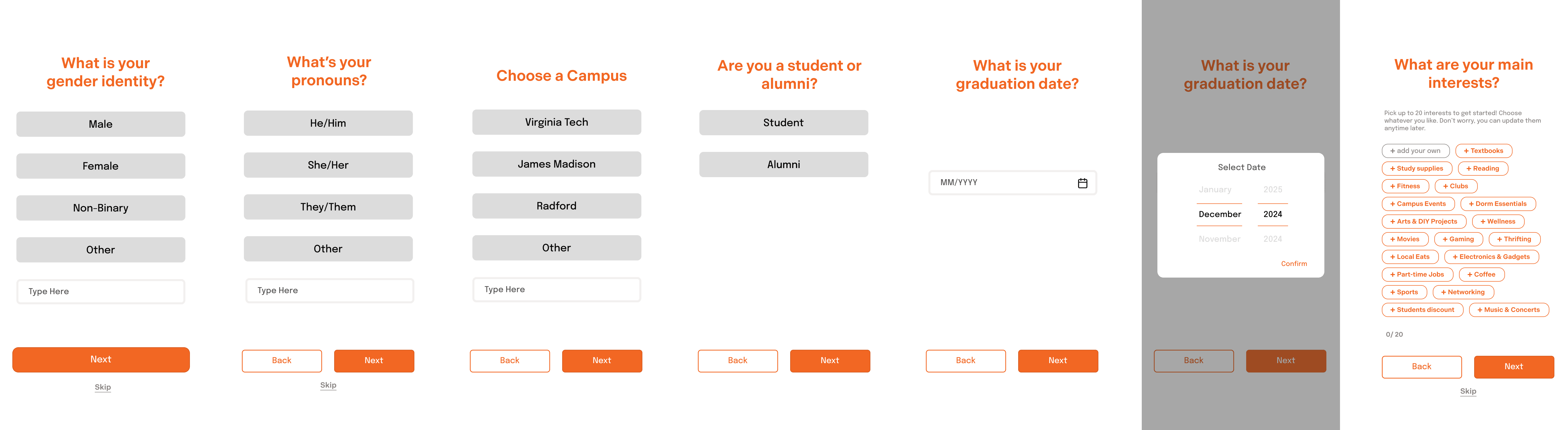
A more streamlined approach—grouping related questions together— increased user retention by 80% during beta testing
A more streamlined approach—grouping related questions together— increased user retention by 80% during beta testing
A more streamlined approach—grouping related questions together— increased user retention by 80% during beta testing
RESEARCH
RESEARCH
Going deep on how students buy and sell on campus today.
Going deep on how students buy and sell on campus today.
We researched how students navigate buying, selling, and job-hunting across existing platforms. We ran surveys, mapped switching patterns, and identified where trust breaks down.
We researched how students navigate buying, selling, and job-hunting across existing platforms. We ran surveys, mapped switching patterns, and identified where trust breaks down.
Strategic Directions
Strategic Directions
Strategic Directions
Search-first
Familiar, but requires intent. Students have to know what they want before they start.
Category-first
Organized, but adds steps between opening the app and finding something.
Category-first
Organized, but adds steps between opening the app and finding something.
Category-first
Organized, but adds steps between opening the app and finding something.
Feed-first
Surfaces relevant content immediately. Meets students in passive browsing mode.
Feed-first
Surfaces relevant content immediately. Meets students in passive browsing mode.
Feed-first
Surfaces relevant content immediately. Meets students in passive browsing mode.
Why a feed?
Students browse campus marketplaces the way they browse social media — passively, looking for something they didn't know they wanted.
A search bar requires intent. A feed creates it.
Why a feed?
Students browse campus marketplaces the way they browse social media — passively, looking for something they didn't know they wanted.
A search bar requires intent. A feed creates it.
PROTOTYPING & TESTING
PROTOTYPING & TESTING
Two versions. One clear winner.
Two versions. One clear winner.
We built and tested two versions of the homepage through internal reviews and beta feedback with real students.
We built and tested two versions of the homepage through internal reviews and beta feedback with real students.
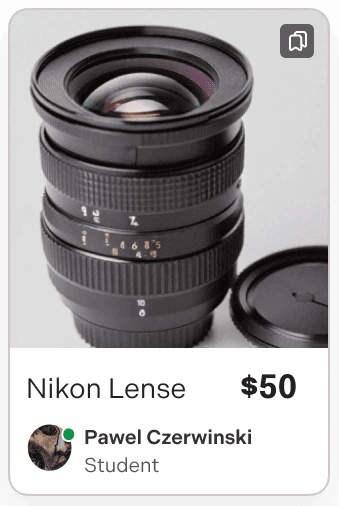
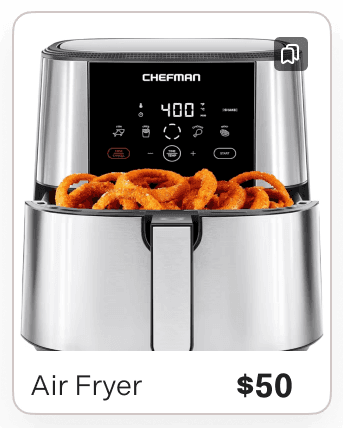
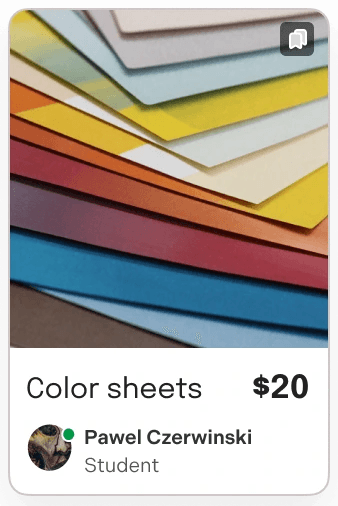
V1: Bordered item cards, no save icons. Students found it visually busy. Items felt disconnected from each other.
V2: No borders. Save icons. Category icons. 'See All' button.
Testing and iterating with feedback We observed how students used both versions, where they hesitated, and what they ignored.
V1: Bordered item cards, no save icons. Students found it visually busy. Items felt disconnected from each other.
V2: No borders. Save icons. Category icons. 'See All' button.
Testing and iterating with feedback We observed how students used both versions, where they hesitated, and what they ignored.
Before iteration:
Before iteration:
Before iteration:
After iteration
After iteration
After iteration
KEY USER INSIGHTS
KEY USER INSIGHTS
Clarity comes from subtraction.
Clarity comes from subtraction.
The version with fewer visual elements performed better across every metric. Trust has to be visible before the first tap. Students decided whether to engage before they ever clicked through.
The version with fewer visual elements performed better across every metric. Trust has to be visible before the first tap. Students decided whether to engage before they ever clicked through.
ORGANIZE
All in one place
YOUR
FINDS
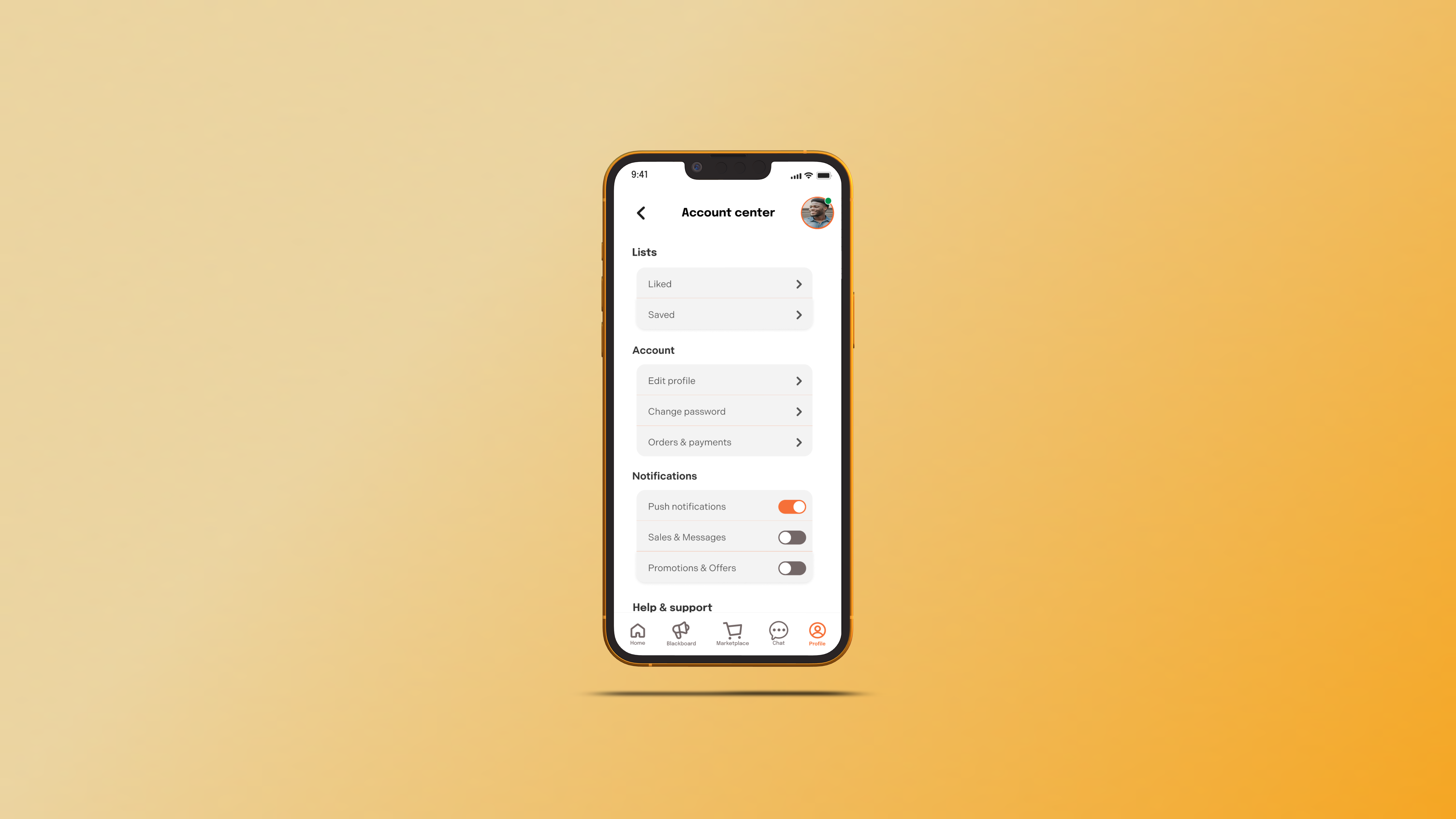
Tailor your
EXPERIENCE
Customize, Control, and Stay in Sync Efforlessly
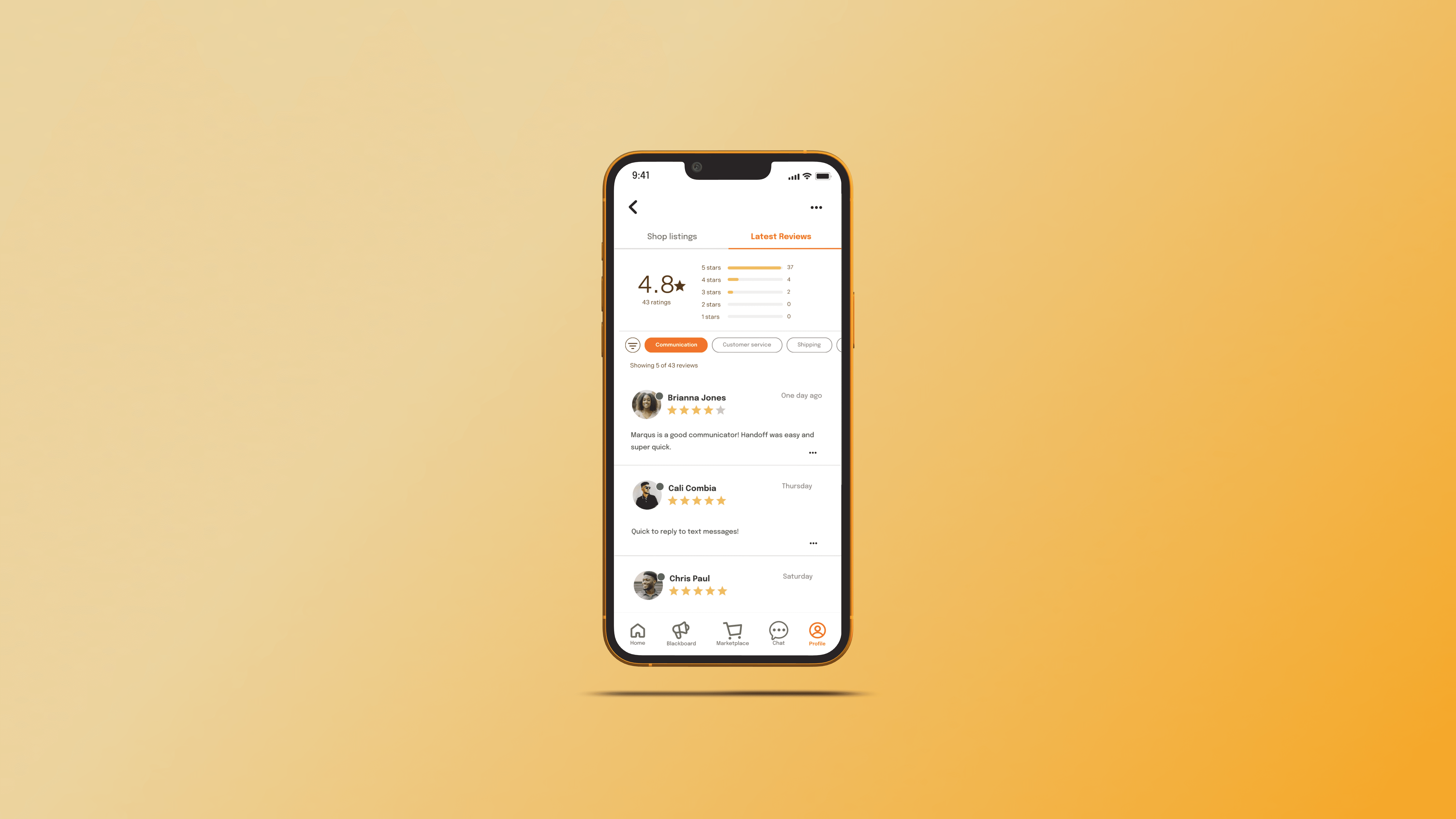
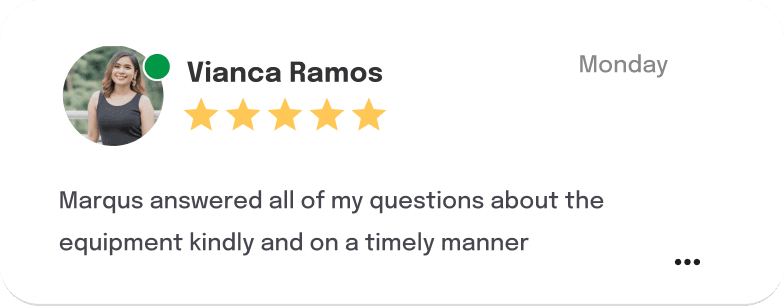
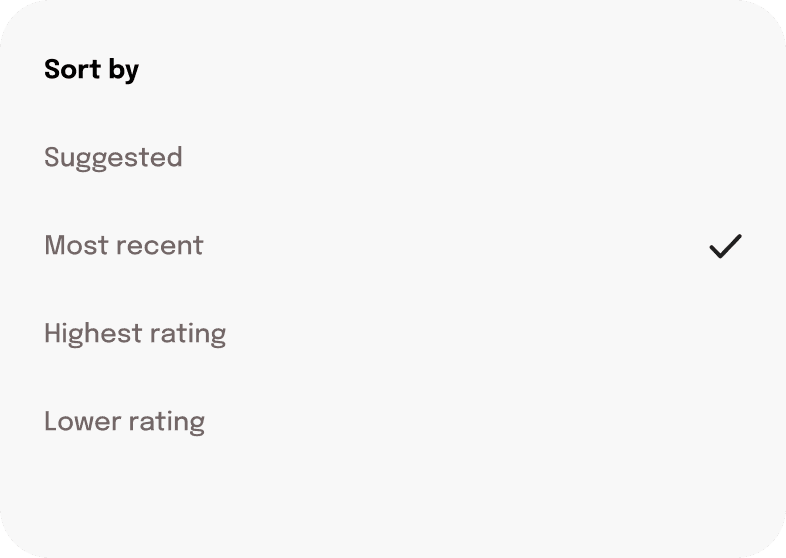
RELIABLE
REVIEWS
Happy users
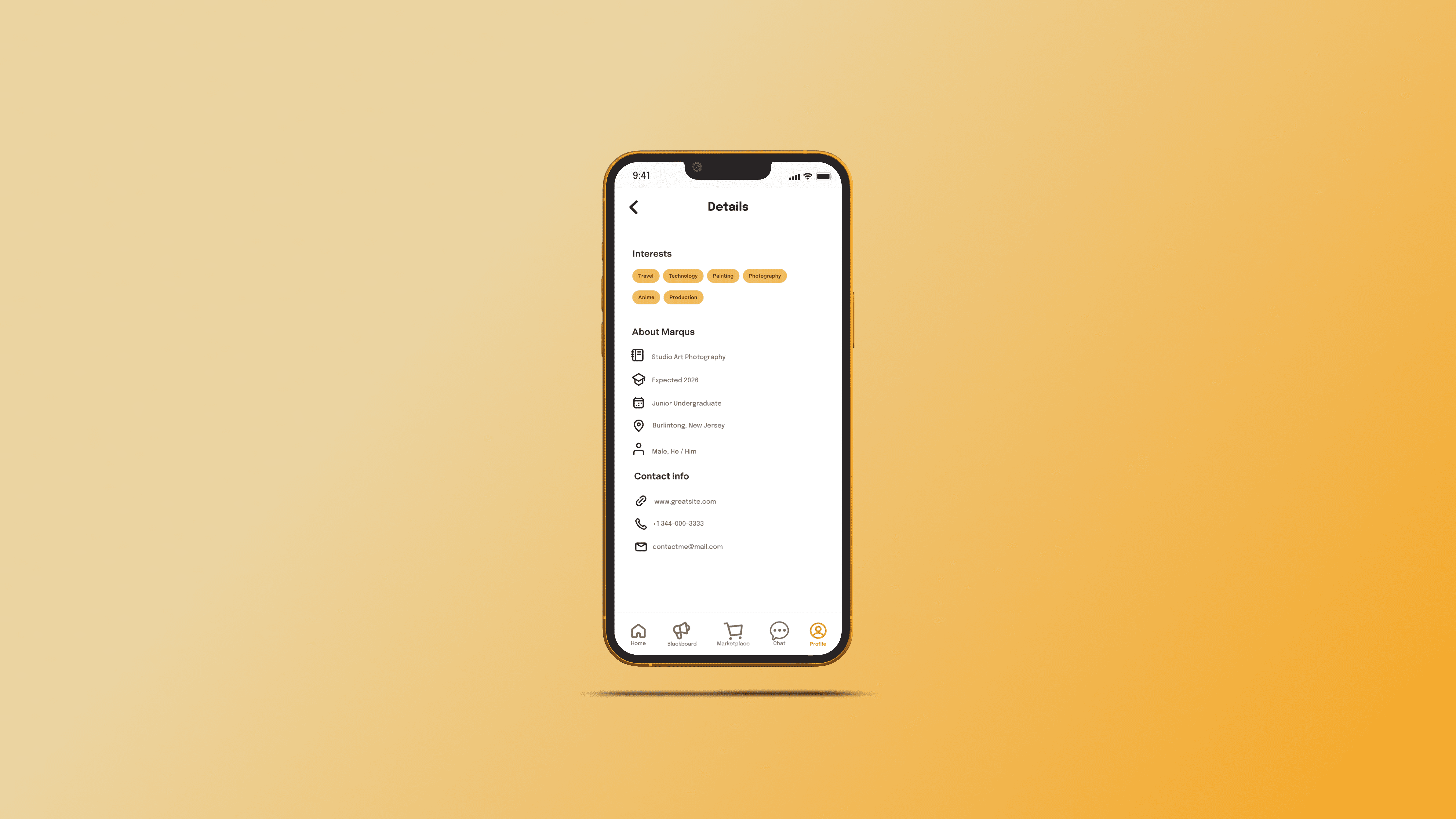
Craft your
BROWSING
Interest tags that make our app yours

ORGANIZE
All in one place
YOUR
FINDS
Tailor your
EXPERIENCE
Customize, Control, and Stay in Sync Efforlessly
RELIABLE
REVIEWS
Happy users
Craft your
BROWSING
Interest tags that make our app yours
Design Decisions
We identified the most intuitive way to build trust between strangers.
Design Decisions
We identified the most intuitive way to build trust between strangers.
Review system
With insights from testing, we got to thinking about how credibility signals could be integrated without adding friction.
Review system
With insights from testing, we got to thinking about how credibility signals could be integrated without adding friction.
Iteration & Testing
Continuously refining through beta feedback and real behavioral patterns.
Iteration & Testing
Continuously refining through beta feedback and real behavioral patterns.
REFLECTION
REFLECTION
What I learned
What I learned
Removing friction is the product. The homepage that performed best was the one with the fewest barriers between opening the app and finding something worth having. Nothing I added mattered as much as what I took away. Trust is a design system, not a feature. It's not built by one screen. It's built by every small signal — the rating, the response time, the profile photo — adding up quietly until a student decides it's safe to buy.
Removing friction is the product. The homepage that performed best was the one with the fewest barriers between opening the app and finding something worth having. Nothing I added mattered as much as what I took away. Trust is a design system, not a feature. It's not built by one screen. It's built by every small signal — the rating, the response time, the profile photo — adding up quietly until a student decides it's safe to buy.